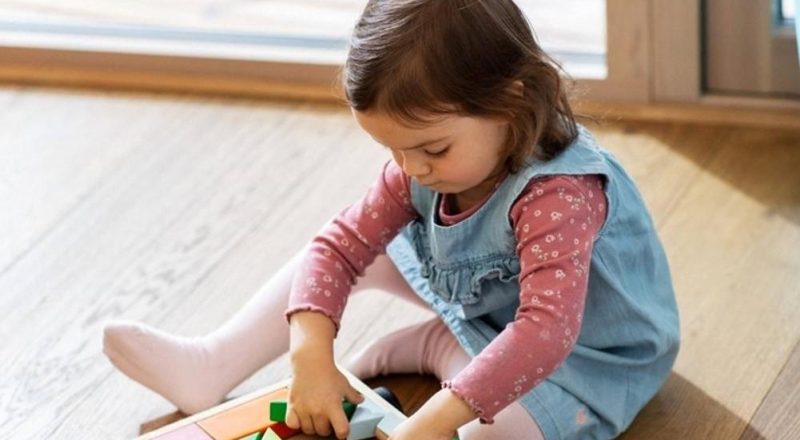
Choosing a present for a child in the UAE sounds simple until you stand in a Dubai Mall toy aisle at 7pm on a Thursday, surrounded by flashing plastic and options that promise everything. The gift you want is the one that survives past the second week, the one the child still reaches for when they are twice as old, the one older cousins in Sharjah or Abu Dhabi eventually inherit. That kind of gift is not the most expensive one on the shelf. It is the one chosen with a bit of thought about age, materials, and the way children actually play.
This guide walks through what makes a children’s gift last, both physically and emotionally, and gives concrete ideas for boys, girls, and every age from toddler to primary school. It is written with UAE homes in mind: air-conditioned indoor play, summer holidays that stretch on for weeks, and family gatherings where a good toy earns its keep.
What “lasting” really means for a children’s gift
A toy can last in three different ways, and the best gifts manage all three at once. The first is physical durability: it does not snap, fade, or lose parts in a month. The second is developmental range: a child of three can enjoy it, and a child of six still finds something new in it. The third is emotional attachment: the child chooses to come back to it, again and again, without being nudged.
When you weigh a potential gift against those three, most of the noisy, single-purpose plastic toys fall out immediately. What tends to stay are open-ended toys, sturdy classics, and role-play sets that a child can rewrite the story of every time.
- Open-ended play. Blocks, magnetic tiles, and figurines that let the child invent the game.
- Skill-building. Sorting, balancing, threading, matching, anything that quietly grows fine motor control and logic.
- Sturdy materials. Solid wood, thick cotton, real fabric, screws instead of glue.
- Refillable interest. A dolls’ house or a road set gets new life every time you add one small piece.
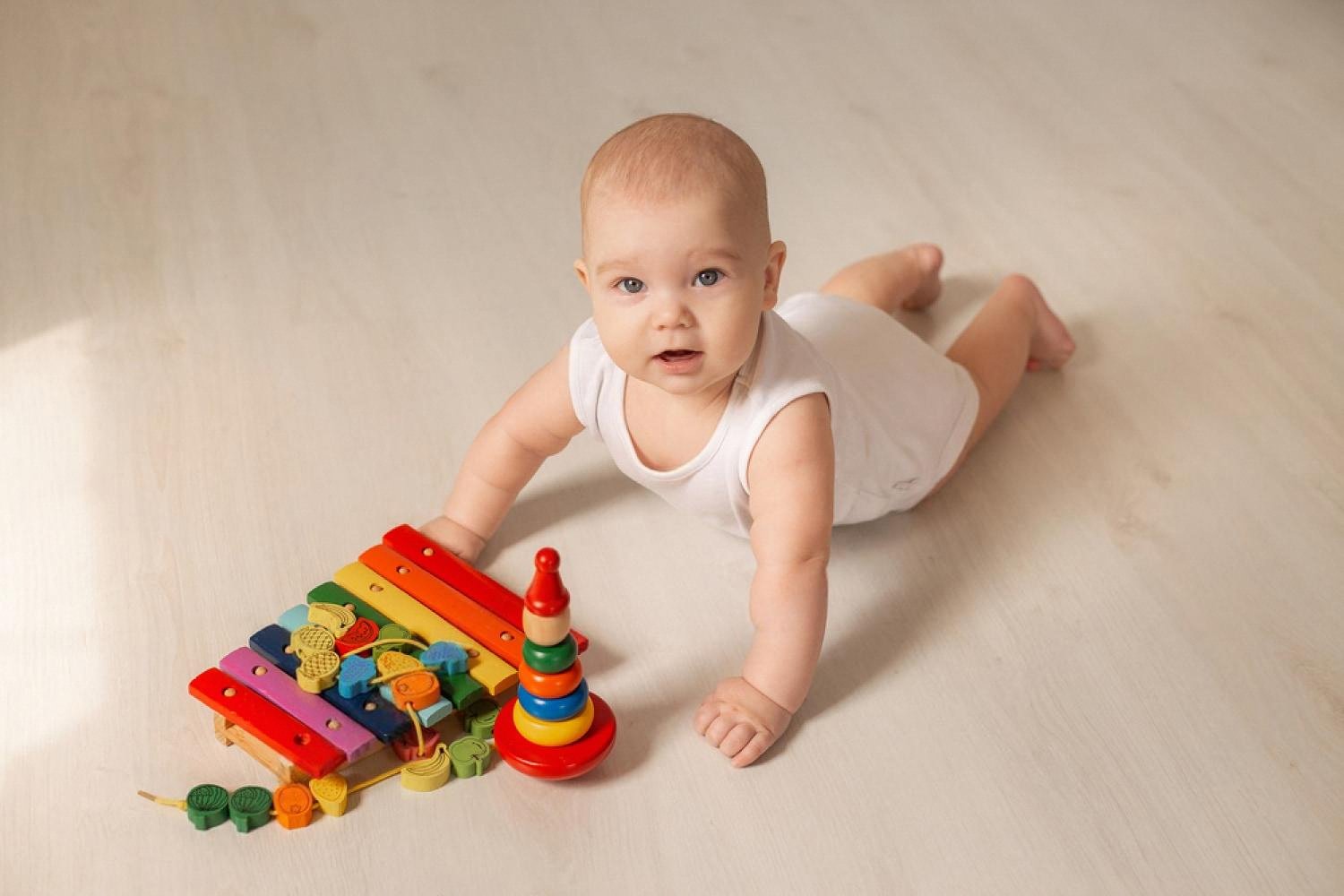
Match the gift to the age, not the price tag
In the UAE we often over-buy for very young children, partly because gift culture here is generous and partly because packaging is designed to impress adults. A three-year-old does not need a toy with forty pieces and a screen. They need one they can master, then master again a different way.
For preschool age, the classics really are the classics. Puzzles with chunky wooden pieces, sets of blocks that can become a tower or a house or a runway for cars, and balance games where the child has to place small weights without toppling the stack. These build patience, hand strength, and the beginnings of planning ahead. If you want to shop a category rather than a single item, educational toys for kindergarteners is a good starting point because everything in that range is designed around a specific skill rather than a licensed character.
Ages 1 to 3
Stacking rings, shape sorters, large-piece puzzles, soft cloth books, push-along wooden animals.
Ages 3 to 6
Building blocks, balance games, magnetic tiles, simple board games, role-play sets like doctor or chef kits.
Ages 6 and up
Construction sets, science kits, chess and strategy games, art supplies, model-building projects.
Great picks for girls, without the pink tax
Role-play sets are almost always a hit, because the child stays in charge of the story. A wooden kitchen with a few pots, some felt fruit and vegetables, and a small apron will get played with for years, first as pretend cooking, later as a shop, later as a restaurant with a menu written in wobbly letters.
Doctor and vet kits work the same way. A stethoscope, a few bandages, a plush patient, and suddenly the child is running a clinic in the living room. Dolls’ houses are the long game: give one at four, add a piece of furniture at every birthday, and by ten the house is full of small stories. Tea sets and dinner-service play sets round out the category, especially in UAE households where hospitality is part of everyday life and kids naturally imitate the ritual of serving guests.
- Wooden tea set or kitchen with real utensils, not soft plastic
- Doctor or veterinarian kit with a plush patient
- Dolls’ house that accepts add-on furniture year after year
- Threading beads and lacing cards for quiet, focused play
Great picks for boys, beyond the branded toy shelf
Racing tracks with a small fleet of cars are one of those gifts that reappear in the living room every weekend for years. The trick is to buy a track that can be reconfigured, not a fixed loop, because the reconfiguring is half the fun. Firefighter and police sets, with a good sturdy vehicle and a couple of figures, invite the same kind of long-form role-play that dolls’ houses do for other children: rescues, chases, missions.
Magnetic fishing games look like a party trick but they are quietly excellent, they train grip, patience, and hand-eye coordination all at once. And once again, a shelf of solid wooden blocks outlasts any themed set, because a child can turn them into a fire station on Monday and a car park on Tuesday.
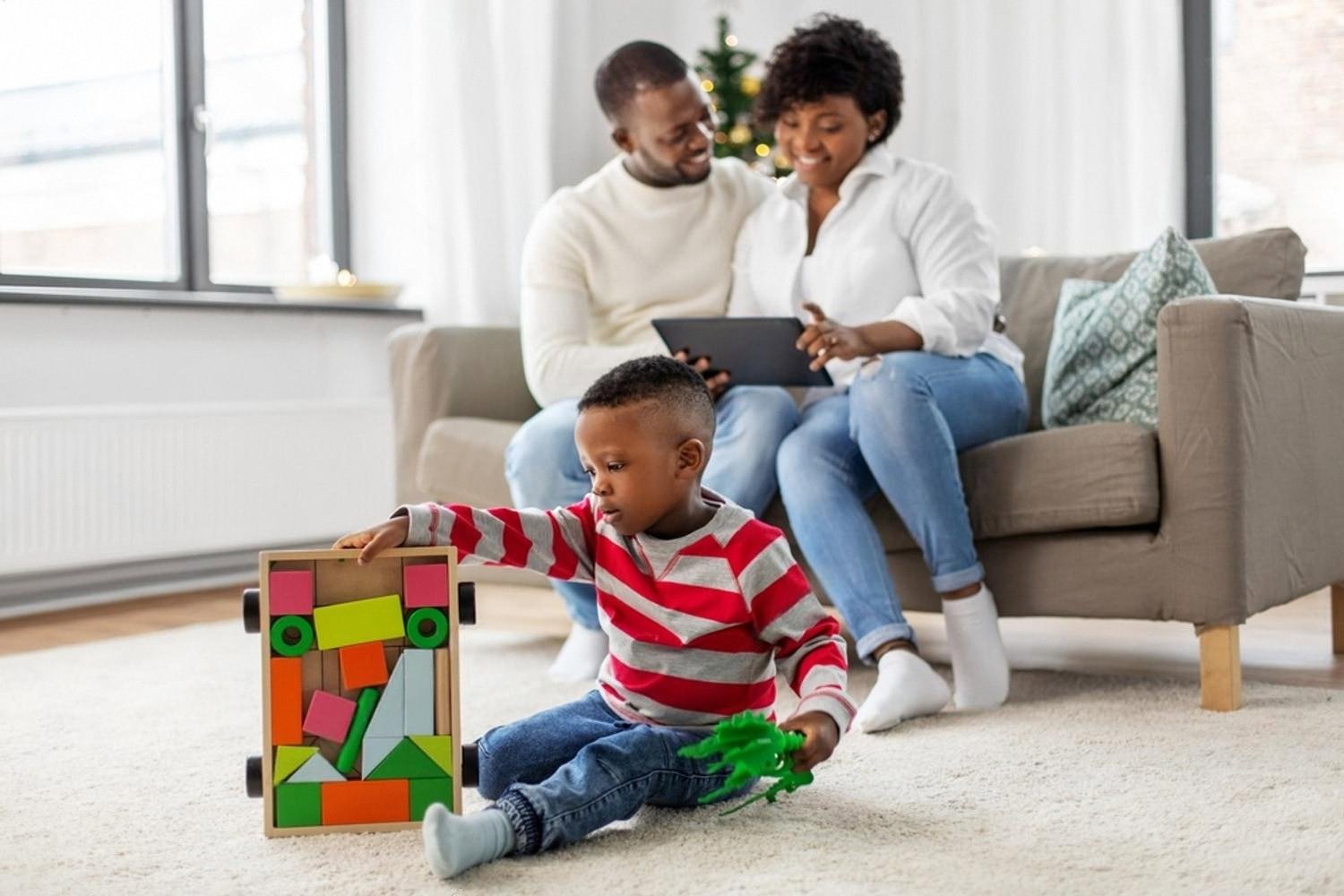
Why wooden toys keep winning
Ask any UAE parent whose children are now teenagers which toys survived the years, and wood keeps showing up in the answer. There are practical reasons. Solid wooden pieces do not crack the way thin plastic does when a two-year-old throws them at a marble floor. The paint used on good-quality wooden toys is usually water-based and free from the harsher chemicals sometimes found in cheap plastic. And wood ages well: a small dent or scratch just makes the toy look loved.
There is a developmental point too. Wooden toys tend to be simpler, which forces the child to bring the imagination. A wooden train does not sing songs at you, so the child sings for it. That mental effort is exactly what builds language and creative thinking in the early years. The Montessori and Waldorf approaches, both widely followed in nurseries across the UAE, lean heavily on natural materials for this reason. You can read more about the general reasoning on the Montessori education overview if you want the background.
- Durability. Survives drops, heat, and years of being sat on.
- Safer materials. Fewer synthetic finishes, easier to clean, no batteries.
- Timeless design. A wooden puzzle from 2015 does not look dated in 2025.
- Hand-me-down value. The younger cousin inherits it in one piece.
Skill-building gifts that grow with the child
If you have to pick just one direction, pick toys that ask the child to do something: sort colours, build a shape, balance a stack, thread a lace, catch a magnetic fish. These are the toys that keep giving because the challenge scales with the child. A three-year-old sorts the coloured pieces by hue. At five, the same pieces become a house. At seven, they are the setting for a full-blown imaginary town.
Logic and pattern
Colour-sorting games, simple sequencing puzzles, matching pairs, memory cards. Quiet, portable, ideal for long summer afternoons indoors.
Fine motor control
Threading beads, lacing cards, tweezers-and-pom-poms sets, balance stackers. The kind of practice that later shows up as neat handwriting.
A quick checklist before you buy
Before you tap Pay in the shop or online, run the toy through a short mental test. It takes about thirty seconds and it saves a lot of shelf-space at home.
- Is it age-appropriate, and does it stretch the child just a little?
- Will a younger sibling be able to use it later, in two or three years?
- Is it made from a material that can survive the school holidays?
- Does the child have to do something with it, not just watch it perform?
- Are there small parts a toddler in the same house could choke on? (See the general safety guidance from the WHO on child injury prevention.)
- Would you be happy to see this toy still around in three birthdays?
If the answer is yes across the board, wrap it. That is the gift that lasts.
Frequently asked questions
What is the best age to give wooden toys?
Wooden toys work from about six months, when a baby starts grasping, all the way through primary school. For infants, choose large, smooth, unpainted pieces such as teething rings and simple rattles. From two years on, blocks, puzzles, and stacking sets take over. The same wooden block set often stays in rotation for five or six years, which is part of why they are such good value.
Are educational toys really more engaging than branded ones?
In the short term, a branded toy with lights and sound wins attention. In the long term, educational toys win playtime. Because the child has to actively do something, build, sort, solve, they stay involved for longer sessions and come back to the same toy repeatedly.
Branded toys tend to peak in the first week and then live on the shelf. A good rule is to mix the two: one crowd-pleaser for the excitement of the moment, one skill-building set for the years ahead.
How much should I spend on a children’s gift in the UAE?
Price is a poor predictor of how long a toy will last. A well-made wooden block set at a mid-range price often outlives a large branded playset costing three times as much. Focus on material, construction, and open-ended play value rather than the number on the box.
What are safe gifts for a child under three?
For under-threes, avoid anything with small detachable parts, long cords, or button batteries. Stick to large wooden pieces, soft cloth books, chunky puzzles, stacking rings, and shape sorters. Check the age label on the packaging and, if in doubt, size the piece against the child’s fist: if it fits inside, it is too small.
Which gifts work for both boys and girls?
Most of the best long-lasting toys are gender-neutral in practice, even if the marketing suggests otherwise. Building blocks, magnetic tiles, art supplies, science kits, board games, balance games, and threading sets are enjoyed equally. The child will bring their own interests to the toy, which is exactly what makes these sets last.
How do I choose a gift when I do not know the child well?
Ask two quick questions of the parents: what age, and what does the child already have too much of. Then default to a category that rarely disappoints, art supplies, a good puzzle, a wooden building set, or a book. Avoid duplicating anything the child owns, and avoid noisy electronic toys unless you know the family welcomes them.
Where can I find quality educational toys in the UAE?
Larger UAE malls carry dedicated educational-toy sections, and specialist online shops ship across the Emirates within a day or two. Look for stores that group toys by skill or age rather than by character licence, that is usually a sign the buyer knows what they are selecting for.

He brings a blazing critical intelligence to bear as well as novelistic skills in assembling a great life of a great writer.